
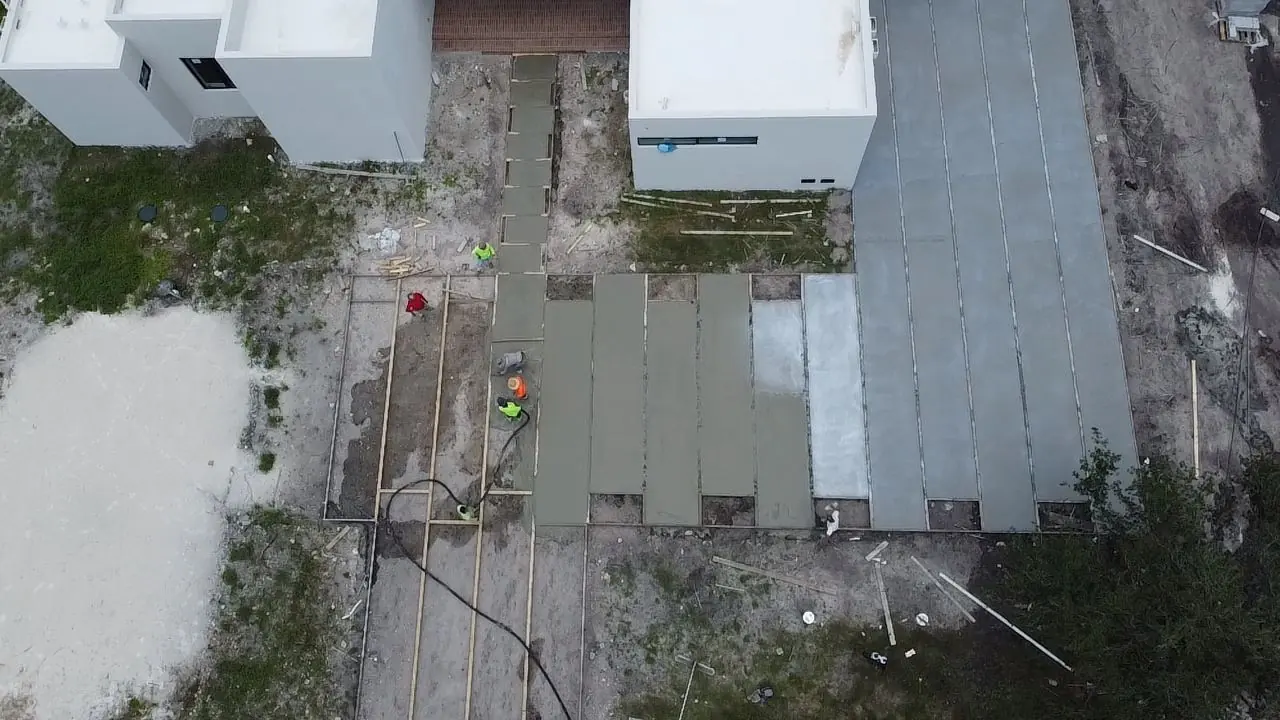
The pad is one part of a permitted system
A permanent standby generator is more than a slab. The generator, the transfer switch and the electrical connections are licensed electrical work, and a natural gas or propane line is licensed gas work, each with its own permit application. The pad, its anchoring and its location are the structural and site part of the job. Broward permit checklists call for a separate electrical permit from a licensed electrical contractor, and a plumbing or gas permit for any gas piping.
That matters for planning. The pad has to suit the specific generator model, sit where the electrical and gas runs make sense, and meet the clearances and setbacks below. Settle the model and location first, then design the slab.
Start with the manufacturer’s installation manual
The installation manual for your exact model is the first rulebook. As one example, Generac’s published installation instructions for its home standby units say:
- The unit is typically approved to sit on pea gravel, crushed stone, a concrete base pad, or an approved composite pad, depending on local code.
- The mounting surface must be compacted and level, with the unit level to within half an inch.
- Any concrete pad must be sized to national, state and local building codes, and the base must meet local wind requirements.
Generac’s summary of NFPA 37 clearances calls for 5 feet from windows, doors, vents and other wall openings, 3 feet at the front and both ends, and 5 feet of open space above. A reduced 18-inch clearance at the back applies only to models marked with the SwRI logo. Other brands publish their own figures, and local codes take precedence, so confirm the clearances in your model’s manual and with your city before the pad is located.
Where it can sit: setbacks, screening and your city
Zoning decides where on the lot a generator may go. Each city sets its own rules, and they change, so treat these as examples rather than a checklist for your address:
- Lauderdale-by-the-Sea requires a building permit for a permanent generator. Its residential generator packet allows a unit of up to 60 kW in a side or rear setback if it stays at least 5 feet from the property line, stands no more than 5 feet above grade, and is screened from the street and neighbors. The Town also tests the sound level before final inspection.
- Pembroke Pines’ generator permit checklist asks for a survey showing setbacks and location, signed and sealed drawings, tie-down details, equipment specifications and an HOA affidavit, with structural, electrical, zoning, engineering and fire review.
Your neighbor’s windows count too. The Broward permitting checklist used by cities such as Oakland Park asks for generator spacing from openings to meet the manufacturer’s specifications, including those of the neighbor’s house. Before choosing a spot, check your city’s current generator checklist and setback rules. Our city guides for Davie, Weston, Pembroke Pines and Southwest Ranches are a good place to start on setbacks.
Flood zones can change the whole slab
In a flood hazard area, the generator has to be high enough. The Florida Building Code, Residential (8th Edition, 2023) requires electrical and service equipment to be at or above the required flood elevation in Section R322.1.6, and Section M1905.2.2 applies that rule to permanently installed standby generators. The Broward checklist used by cities such as Oakland Park and Lauderdale-by-the-Sea states it plainly: the generator is mounted above the base flood level, at the same elevation as the first floor.
On a low lot, that can turn a simple pad into a raised platform, and the design, engineering and cost change with it. Check your flood zone and elevation certificate early. Your survey and the city’s floodplain staff can tell you the number the generator has to meet.
Size, thickness and anchoring
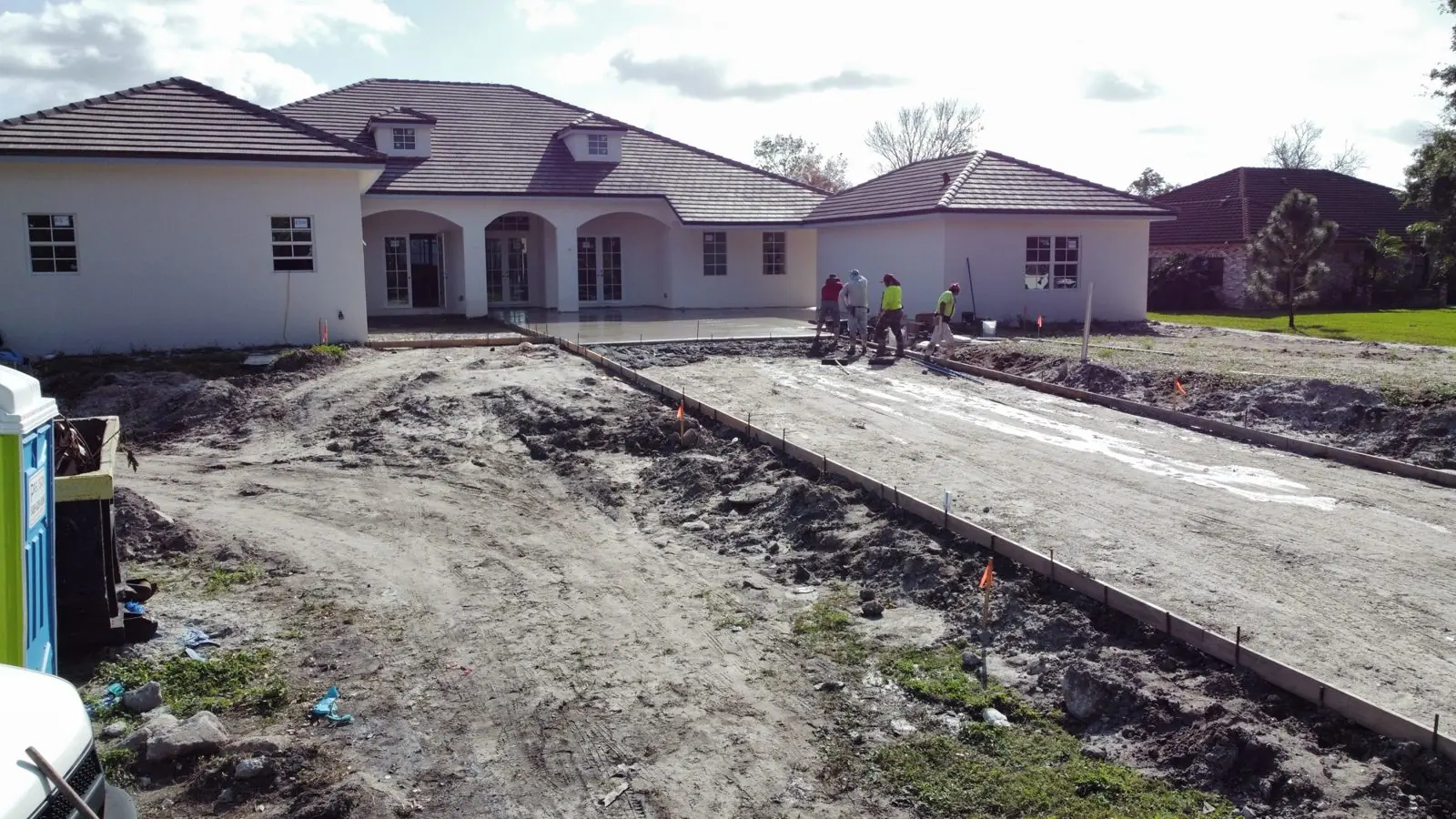
The pad needs to fit the generator’s footprint, give the unit the base the manufacturer calls for, and hold the anchors. Broward is in the High-Velocity Hurricane Zone, and city checklists ask for anchoring or tie-down details along with plans showing slab size, depth and reinforcement. Some cities also require engineer-sealed slab or tie-down drawings.
We don’t guess at a thickness. The slab is detailed from the manufacturer’s requirements, your city’s checklist and, where the city requires it, an engineer’s signed and sealed drawing.
What drives the cost
We don’t publish a price per square foot for generator pads, because the slab is rarely what sets the number. The main factors are:
- The generator’s footprint and required clearances, which set the pad size and location.
- Flood elevation. A pad at grade is a very different job from a raised platform.
- Engineering and permit documents your city requires.
- Access. Narrow side yards, fences, pool equipment and finished landscaping slow the work down.
- Whether the pad is built on its own or alongside a driveway, side-yard or pool-deck project.
- Screening, finish matching, and any removal of existing concrete or pavers.
Send us the generator model, a survey and photos of the spot, and we can tell you what the pad involves before you commit.
Plan it with the rest of the exterior
Generators usually end up in a side yard next to the pool equipment, the A/C condensers and the path to the backyard, which is exactly where a clean exterior can start to look cluttered. Planning the pad with the rest of the hardscape keeps the concrete finish consistent, keeps a clear walkway for service access, and leaves room for the screening your city may require.
Drainage matters here too. Generac’s guidance is to direct sprinklers, roof runoff and downspouts away from the generator enclosure, so slope the pad and the surrounding surfaces with that in mind.
We build equipment pads as part of our concrete work, and we coordinate the location with the generator installer, the driveway, turf and pool deck. The generator itself, the transfer switch and the gas line stay with the licensed electrical and gas contractors who install them.
What to gather before you call
- The generator make and model, and its installation manual.
- A current survey showing the house, property lines and easements.
- Your flood zone and, if you have one, your elevation certificate.
- HOA rules for equipment and screening, if you have an HOA.
- Photos of the spot, including nearby windows, doors and vents on your house and your neighbor’s.
We’re a State of Florida Certified General Contractor (CGC1527850) serving Southwest Ranches, Davie, Weston, Pembroke Pines, Fort Lauderdale, Lauderdale-by-the-Sea, Boca Raton and nearby cities.
Request a free design consultation and send us your property survey to get started.
Requirements change. This guide reflects the Florida Building Code, Residential (8th Edition, 2023), Generac’s published installation guidance, and generator permit checklists from Lauderdale-by-the-Sea and Pembroke Pines, and the Broward County Board of Rules and Appeals checklist used by Oakland Park, as of November 2026. Always confirm with your city and your generator manufacturer before you build.
Frequently asked questions
Do I need a permit for a generator slab in Broward County?
In the cities we checked, a permanent standby generator is permitted work, and the pad is part of that permit package along with the electrical and any gas work. Confirm the exact checklist with your city.
Can a standby generator sit on gravel instead of concrete?
Some manufacturers approve compacted pea gravel, crushed stone or a composite pad as well as concrete. Your model’s manual, local code and wind requirements decide what is allowed at your address.
How close to the house can a generator pad be?
It depends on the model and local code. Generac’s summary of NFPA 37 calls for 5 feet from windows, doors and vents, 3 feet at the front and ends, and 5 feet overhead, with a reduced 18-inch back clearance only for SwRI-labeled models. Your city may add its own exhaust and setback distances.
Does my flood zone affect the generator pad?
Yes. In flood hazard areas, the Florida Building Code, Residential requires standby generators to be at or above the required flood elevation, which can mean a raised pad or platform.
How much does a concrete generator pad cost?
It depends on the generator’s footprint, required elevation, access, engineering and whether the pad is part of a larger project. Send us the model, a survey and photos, and we can tell you what your pad involves.